High Quality Print

Low Prices

Free Delivery (UK Mainland)*

Friendly Team of Experts

5 Star Rated By Customers

Order Online Anytime 24*7
Colours do not just mean visual elements; they are powerful means to manipulate emotions, change perceptions and make decisions. Knowing what the different colours mean and how they work can help you make intentional, powerful choices, whether it’s about branding, personal expression or interior design.
What colours symbolise, and how can we use them well in different circumstances? Let’s find out.
Every colour carries its own psychological impact, influencing emotions and perceptions. Designers, marketers, and brands are acutely aware of this and carefully select their colour schemes to convey specific messages. Understanding what each colour symbolizes can enhance the effectiveness of your design and marketing strategy. Below is a breakdown of what each colours represents, including their emotional and spiritual meanings
Colour | Symbolism |
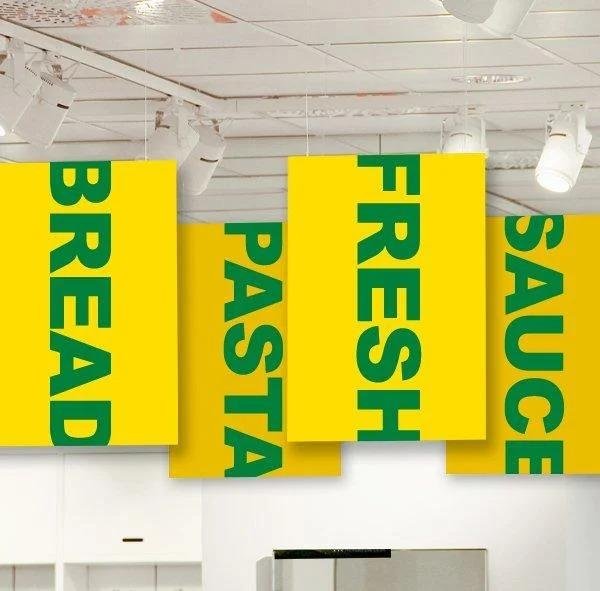
What does yellow symbolize? | Yellow is the hue of excitement and optimism. It is a striking shade that works well for promotions and calls to action. However, overuse might also indicate caution. |
What does the colour brown symbolize? | Reliability, stability, and nature are all associated with brown. Often used in branding for eco-friendly or organic products, it gives a feeling of trust and authenticity. |
What does the colour grey mean? | Grey is a sign of balance, refinement, and neutrality. It may be sophisticated, professional, and useful in design when combined with a simple layout. |
What does the colour grey mean spiritually? | In most cases, grey is interpreted as introspection, wisdom, or emotional maturity. It is a sign of equilibrium, representing a balance between extremes—a kind of neutralisation or dissociation. Grey is symbolic of thoughtful decision-making and inner reflection, embodying sophistication and calm stability. |
Colour | Meaning | Usage |
Red | Passion, energy, urgency | Ideal for limited-time offers or bold branding. Creates excitement and can make you euphoric. |
Blue | Calming, trustworthy | Often used by corporations and healthcare brands to convey confidence and reliability. |
Green | Nature, growth, sustainability | Used extensively to express eco-friendliness and harmony in jobs of health or environment. |
Orange | Creativity, enthusiasm | Nice neutral colour for brands to include if they have a younger and more energetic image. |
Branding is about colours; without it, the message and emotions are just words on paper. Here’s a quick breakdown:
Knowing what various colours imply when you choose them is just as essential as knowing which hues to use for marketing or design.
For example
The flexibility of coloured materials, such as coloured Foamex boards, allows brands to experiment with vibrant designs that attract attention while delivering their core message. By blending aesthetics with durability, businesses can ensure their message resonates with their audience.
While colours may have universal meanings, cultural differences can shift perceptions
How brands with international reach understand these cultural nuances can mean your messaging doesn’t sound alien or disrespectful.
Nature serves as a beautiful example of how colours can evoke emotions and set tones
These natural references help colours make sense in designs that want to evoke emotional feelings.
According to a study, UK consumers prefer products that have a positive environmental impact by 66%. That corresponds with the psychological linkage of green to nature and sustainability.
Even small changes in colour selection can make or break a marketing campaign. Some key insights include
Grain material is used by designers who want to boost their message with aggressive colour choices. Honeycomb board also provides eco-conscience brands with a sustainable method to display bright designs in their establishment.
Whether you’re planning a corporate event, designing a retail space, or working on another project, choosing the right colour palette is key to bringing your vision to life. Coloured Foamex boards are a fantastic option for signage—they’re not only durable and lightweight but also have the visual impact to stand out.
For businesses committed to sustainability, eco-friendly boards, such as honeycomb boards, offer the perfect solution. These boards help bring your customers closer to your commitment to a sustainable future.
Additionally, for brands looking to enhance their overall image, it’s important to remember the power of visual communication. The right office signs can significantly boost your brand image. Explore The Importance of Office Signs for Your Brand Image to learn more about how the right signage contributes to building a strong brand identity.
Colours are a powerful means of communication and can make you feel something, change your behaviour, or convey a complex idea. Once you learn what each colour symbolises and how they convey meaning, you can use them to design and brand your messaging and connect in a useful way to your audience. Intelligent colour selections from the beginning will make all the difference, regardless of whether you’re utilising bright materials like coloured Foamex or more subdued options.
Whether it’s the calming impact of the blues or the energetic feel of yellows, our experts are just the ones to guide you in choosing the right colour combination to make your boards draw attention. Browse through our printing solution at the Board Printing Company!

An enthusiastic Graphic Designer professional with strong communication and organisational skills, who is passionate about creating and developing innovative ideas with the client to help them get their business noticed. I work to the highest standards and have an excellent eye for detail with skills in design and organisation. I am a dependable and productive worker whose honesty and integrity provides effective leadership and builds excellent relationships. I enjoy innovatively…

 020 8902 9298
 Quick Quote
 020 8902 9298
  Quick Quote
  Login / Signup