High Quality Print

Low Prices

Free Delivery (UK Mainland)*

Friendly Team of Experts

5 Star Rated By Customers

Order Online Anytime 24*7
Visual communication is evolving rapidly. Businesses today are not only competing on products or services — they are competing on presentation. The way a brand looks in physical space often determines whether people notice it, remember it, or trust it.
Design and printing trends are moving toward clarity, durability, and visual impact. Instead of cluttered posters and overly complex graphics, brands now focus on clean layouts, strong materials, and purposeful messaging. Modern printing is less about decoration and more about experience.
Let’s shed some light on the most important design and printing trends shaping branding today.
The era of overcrowded graphics is fading. Customers are exposed to thousands of visual messages daily, so simplicity stands out more than complexity.
Modern signage uses:
Minimalism works because the brain processes information faster when it’s structured. Instead of reading everything, people scan — and good design guides their eyes instantly.
Material choice has become just as important as graphic design. Businesses want signs that reflect professionalism and durability.
High-quality materials help convey trust. For example, acrylic printing is widely used for interior branding because of its clean, polished appearance and glass-like finish. It creates a premium impression while remaining practical and durable.
Modern customers subconsciously associate heavier, solid materials with higher credibility.
Glossy finishes once dominated display printing, but matte textures are now preferred.
Matte surfaces:
They photograph better too — which matters because many visitors share photos online. When signage looks good in photos, it extends marketing reach naturally.
Brands are shifting from small signage to large-scale visual statements. Oversized graphics create immersion and increase memorability.
Applications include:
Large designs make spaces recognisable and improve recall. Customers may forget a leaflet but remember a visual environment.
Design trends now borrow inspiration from architecture. Clean edges, structural materials, and industrial aesthetics create a modern identity.
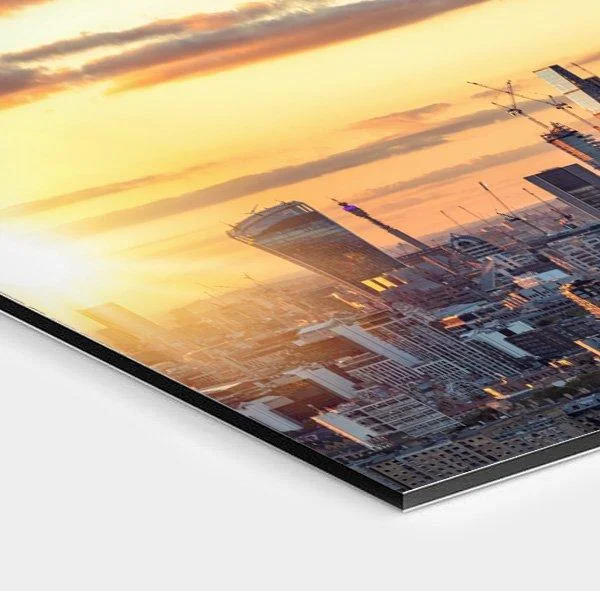
Materials such as aluminium board are popular for outdoor signage due to durability and sleek appearance. They maintain colour quality over time and withstand weather exposure, making them ideal for long-term branding.
Combining strong materials with simple design creates a professional, contemporary look.
Environmental awareness is influencing design decisions. Businesses increasingly prefer rigid boards and long-lasting print materials that reduce waste.
Instead of frequently replacing cheap prints, companies now choose:
Sustainability today means longevity rather than disposability.
Customers expect a brand to look the same everywhere — inside the building, outside the building, and online.
Consistency includes:
When branding feels uniform, customers perceive the business as organised and trustworthy.
Readable typography is becoming a central design focus. Instead of decorative fonts, brands use strong, clear typefaces.
Effective typography:
Retail and public environments rely heavily on instant comprehension, making clarity more valuable than artistic complexity.
Businesses now want signage that performs multiple roles:
Designs are created to remain relevant longer, reducing the need for frequent replacement.
Social media has changed how physical design works. A visually striking sign often becomes a photo backdrop, effectively turning customers into promoters.
Features that encourage sharing:
This trend transforms signage from static advertising into interactive marketing.
Design and printing are no longer separate from branding strategy — they are central to it. Customers judge professionalism instantly through visual presentation, often before interacting with staff or products.
Minimal layouts, durable materials, and consistent identity now define modern signage. Premium finishes such as acrylic surfaces, weather-resistant boards, and architectural styling create trust and recognition in competitive environments.
The most effective designs today do not try to say everything. They say the right thing clearly, using materials that support the message. Businesses that embrace this approach create spaces that customers remember — and return to.

A digital and print specialist with over decades of experience ranging from design to production, Nimesh is committed to quality and working with clients to add value to their businesses. His technical knowledge of print machinery operation is matched only by his love of the print industry.

 020 8902 9298
 Quick Quote
 020 8902 9298
  Quick Quote
  Login / Signup